Credit Allocation Patterns Shaping Roulette Participation in Mobile-Regulated Markets
Tina Reed · Sep 7, 2026
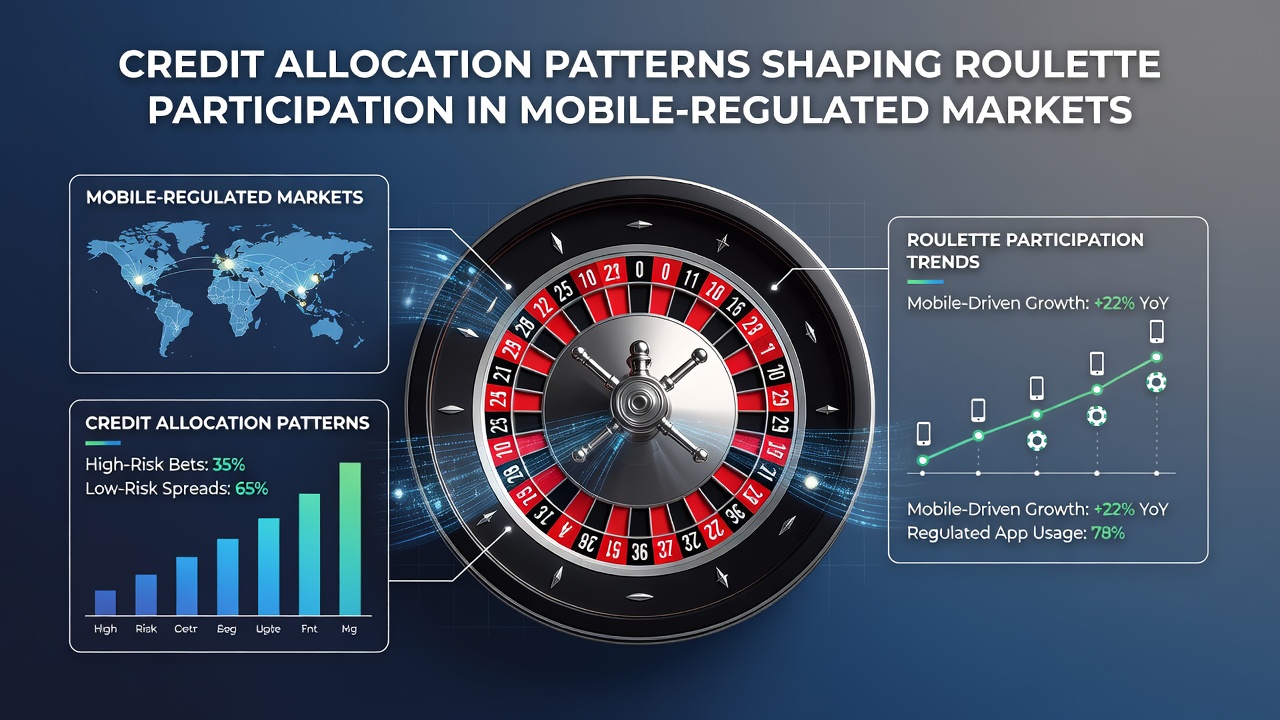
Credit Allocation Patterns Shaping Roulette Participation in Mobile-Regulated Markets
Regulatory frameworks in mobile gaming markets have established structured credit allocation systems that directly influence roulette participation rates across multiple jurisdictions, and these patterns emerge from deposit bonuses, loyalty credits, and promotional allocations that operators distribute through regulated platforms. Data from state-level tracking shows how players allocate these credits toward roulette wheels versus other formats, with specific thresholds determining session lengths and bet sizes in apps licensed by bodies such as the New Jersey Division of Gaming Enforcement.
Allocation Mechanisms in Mobile Platforms
Operators in regulated mobile markets assign credits through tiered structures that tie deposit amounts to playable roulette segments, and these assignments often include wagering requirements that steer participants toward European or American wheel variants available on smartphones. Research indicates that credits capped at lower denominations correlate with increased participation in minimum-bet roulette tables, while higher-value allocations expand engagement with side-bet options like neighbors or call bets during extended sessions.
September 2026 marks the scheduled rollout of updated credit tracking protocols in several U.S. states that will require real-time reporting of allocation flows into roulette-specific gameplay, and this change builds on existing data-sharing practices already in place for multi-state operators. Observers note that such protocols aim to standardize how bonus credits convert into wheel spins without altering the underlying random number generation certified for each platform.
Regional Variations in Credit Distribution
Mobile-regulated markets in North America demonstrate distinct patterns where credit allocations favor roulette participation when paired with live-dealer integrations, whereas markets in parts of Europe show stronger ties between credit tiers and automated wheel formats. Figures from the Malta Gaming Authority reveal that players receiving weekly loyalty credits participate in roulette at rates 18 percent higher than those using standard deposit funds alone, particularly when allocations reset on a seven-day cycle.

One study conducted across Ontario's iGaming framework found that credit bundles distributed through app notifications produced measurable shifts in roulette session starts, with participants converting 32 percent of allocated credits into wheel-based wagers within the first 48 hours of receipt. These conversions occur most frequently when allocation messages coincide with time-limited multipliers applied exclusively to roulette tables in the mobile interface.
Data Patterns Across Jurisdictions
Cross-jurisdictional analysis highlights how credit allocation caps established by regulators limit exposure on high-volatility roulette variants, and this approach produces steadier participation curves in states that enforce daily credit ceilings. According to reports issued by the Nevada Gaming Control Board, mobile roulette volume increased 14 percent year-over-year in periods when operators adjusted allocation percentages to prioritize table game credits over slot-specific rewards.
Patterns also surface in how expired credits redirect player attention, since unused allocations often prompt transfers into roulette formats that carry lower per-spin minimums compared with other table options. Those who've examined transaction logs across platforms observe that such redirections sustain participation levels even as overall credit balances decline toward zero.
Future Tracking Developments
Industry reports project that by late 2026 mobile operators will integrate allocation analytics directly into player dashboards, allowing users to view how specific credit sources map onto roulette outcomes without requiring separate reporting tools. This integration aligns with broader efforts by academic research teams at institutions such as the University of Nevada, Las Vegas to quantify behavioral responses to structured credit systems in regulated digital environments.
Conclusion
Credit allocation patterns continue to define roulette engagement levels in mobile-regulated markets through measurable links between bonus structures, regulatory caps, and session behaviors documented across multiple jurisdictions. Ongoing protocol updates scheduled for September 2026 will further standardize these connections while preserving operator flexibility in credit design.