21 Jun 2026
Dealer Ergonomics and Spin Consistency: Examining Physical Training Protocols for Roulette Croupiers in High-Volume Establishments
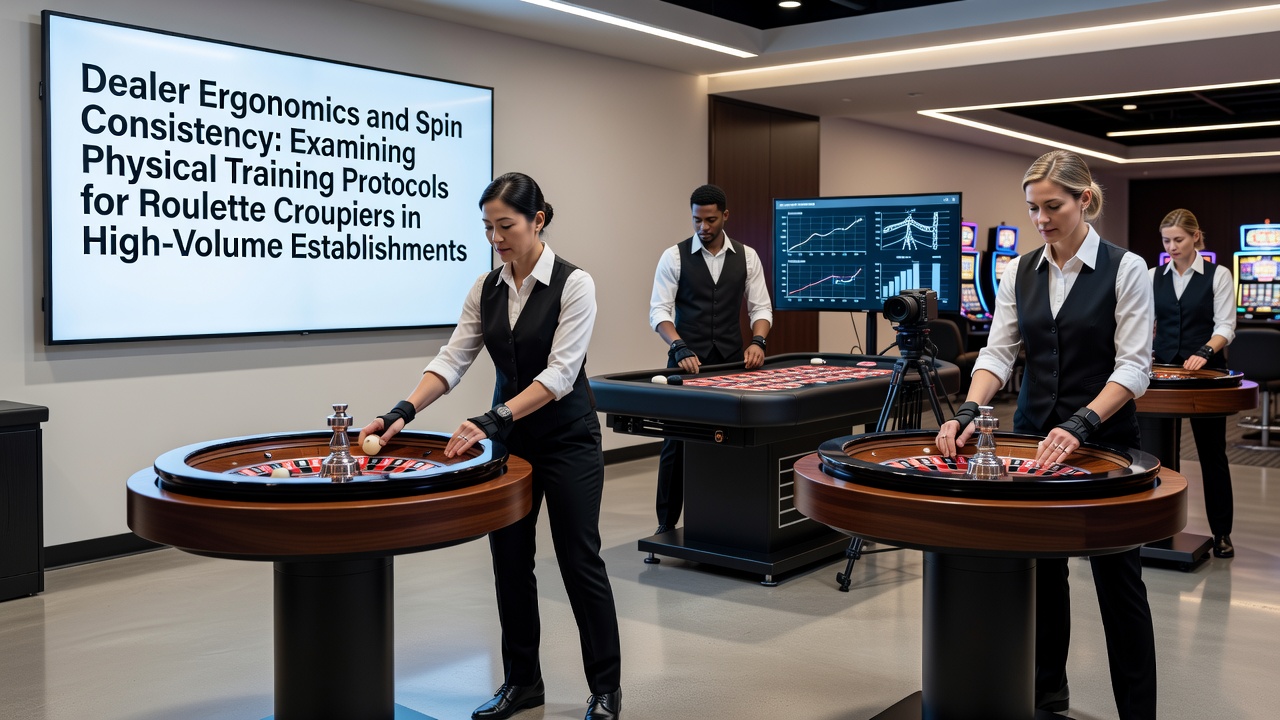
High-volume casino environments place sustained physical demands on roulette croupiers who execute thousands of spins during extended shifts, and facilities address these demands through structured training that targets ergonomics alongside mechanical consistency. Establishments track metrics such as spin velocity variation and dealer fatigue indicators because data from multiple jurisdictions shows direct correlations between physical conditioning and outcome uniformity across wheel-based games.
Physical Demands in Busy Gaming Floors
Croupiers in large-scale operations repeat identical arm and wrist motions at rates that exceed 100 spins per hour during peak periods, which creates cumulative stress on shoulders, elbows, and lower backs when posture deviates even slightly. Training programs therefore begin with assessments that measure range of motion and baseline strength before assigning customized regimens that incorporate resistance bands, targeted stretching sequences, and core stabilization exercises performed between shifts. Facilities in Las Vegas and Macau have reported measurable reductions in repetitive-strain claims after introducing these assessments, according to records maintained by the Nevada Gaming Control Board.
Core Components of Modern Training Protocols
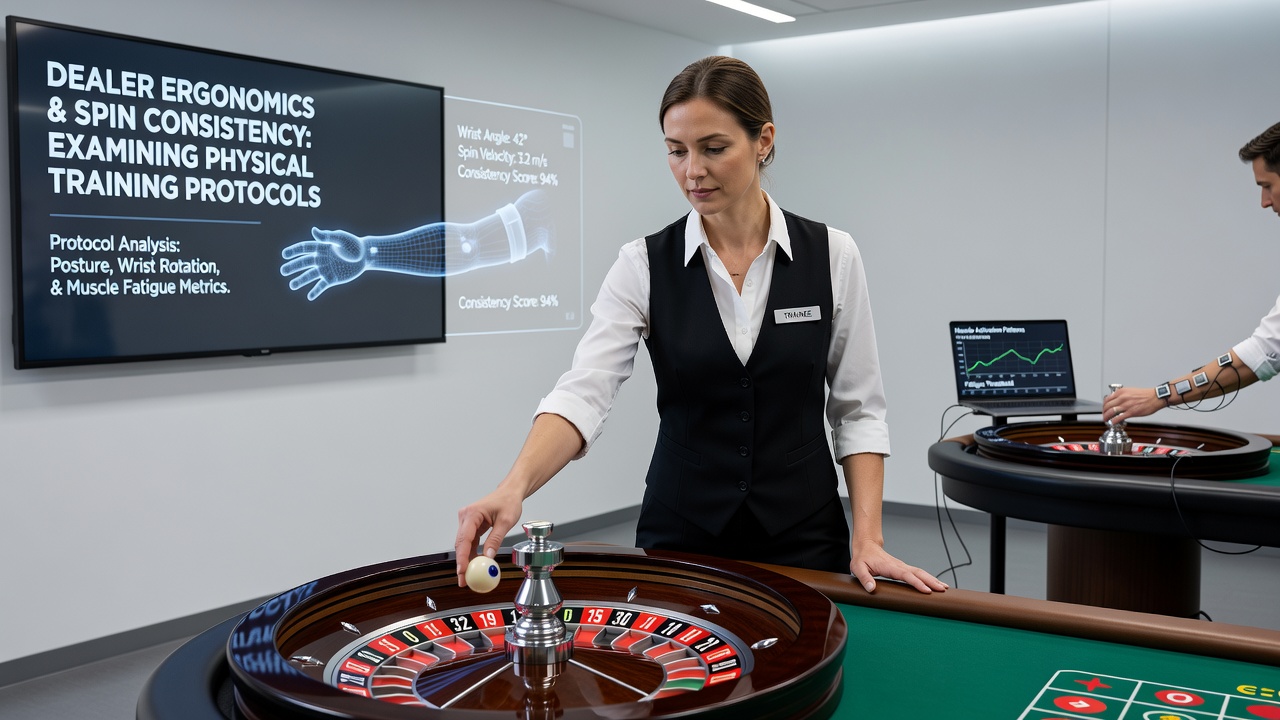
Protocols combine classroom instruction on neutral spine alignment with practical drills that reinforce consistent release angles and finger placement on the ball. Instructors use motion-capture technology to provide immediate feedback, allowing dealers to adjust shoulder elevation or elbow angle before fatigue sets in during live play. Sessions often run 45 minutes daily and emphasize progressive overload so that muscle endurance improves without sacrificing the precision required for uniform wheel speeds. One documented approach integrates yoga-based mobility work three times weekly, which research from the University of Nevada, Las Vegas has linked to improved recovery times among table-game staff.
Ergonomic Adjustments and Equipment Modifications
Casino operators modify workstation heights and introduce anti-fatigue mats after conducting time-motion studies that identify pressure points during extended spins. Adjustable stools with lumbar support allow dealers to alternate between sitting and standing postures, while padded wrist rests reduce extension stress during the final flick of each spin. These changes appear in high-volume properties that operate 24-hour tables because continuous play leaves little margin for recovery between rotations. Data collected across Singapore properties indicates that such modifications correlate with fewer reported wrist complaints when monitored over 12-month intervals.
Measuring Spin Consistency Outcomes
Consistency metrics focus on ball velocity, release height, and deceleration patterns rather than individual spin results, since regulatory standards require uniform mechanical behavior across all wheels. Training logs record these variables after each supervised session and compare them against benchmarks established during initial certification. Establishments that maintain detailed records note tighter standard deviations in spin speed among dealers who complete full ergonomic modules compared with those who receive only basic instruction. In June 2026 several major operators began sharing anonymized consistency data through industry working groups, enabling cross-property benchmarking that was previously unavailable.
Implementation Across Different Jurisdictions
Training frameworks adapt to local labor regulations and shift structures while preserving core ergonomic principles. Canadian properties regulated by the Alcohol and Gaming Commission of Ontario require documented physical assessments before dealers begin high-volume rotations, whereas Australian venues integrate similar protocols into existing responsible-gaming staff programs. Both approaches emphasize early detection of compensatory movements that could alter spin mechanics over time. Industry reports compiled by the American Gaming Association show that properties adopting these layered protocols experience fewer interruptions from dealer substitutions during peak hours.
Long-Term Effects on Dealer Retention and Performance
Facilities that sustain ongoing ergonomic training observe lower turnover among experienced croupiers because reduced physical discomfort extends career longevity. Performance data collected over multiple quarters further indicates that dealers who maintain prescribed conditioning routines produce spin profiles with less drift across consecutive shifts. These patterns hold across both traditional and automated hybrid tables where human dealers still initiate the wheel action. Continued refinement of protocols relies on feedback loops that incorporate dealer input collected through anonymous surveys and periodic biomechanical reviews.
Conclusion
Physical training protocols for roulette croupiers in high-volume settings integrate ergonomic principles with quantitative spin analysis to support consistent wheel behavior and reduce injury incidence. Jurisdictions that mandate such programs document measurable improvements in both staff well-being and operational uniformity, while cross-property data sharing that began in June 2026 accelerates identification of effective practices. Ongoing evaluation through motion analysis and regulatory reporting ensures these protocols evolve alongside changes in table volume and dealer demographics.