7 Jun 2026
Decoding Color Sequence Anomalies in Extended Roulette Play Sessions Within Regulated Gaming Facilities
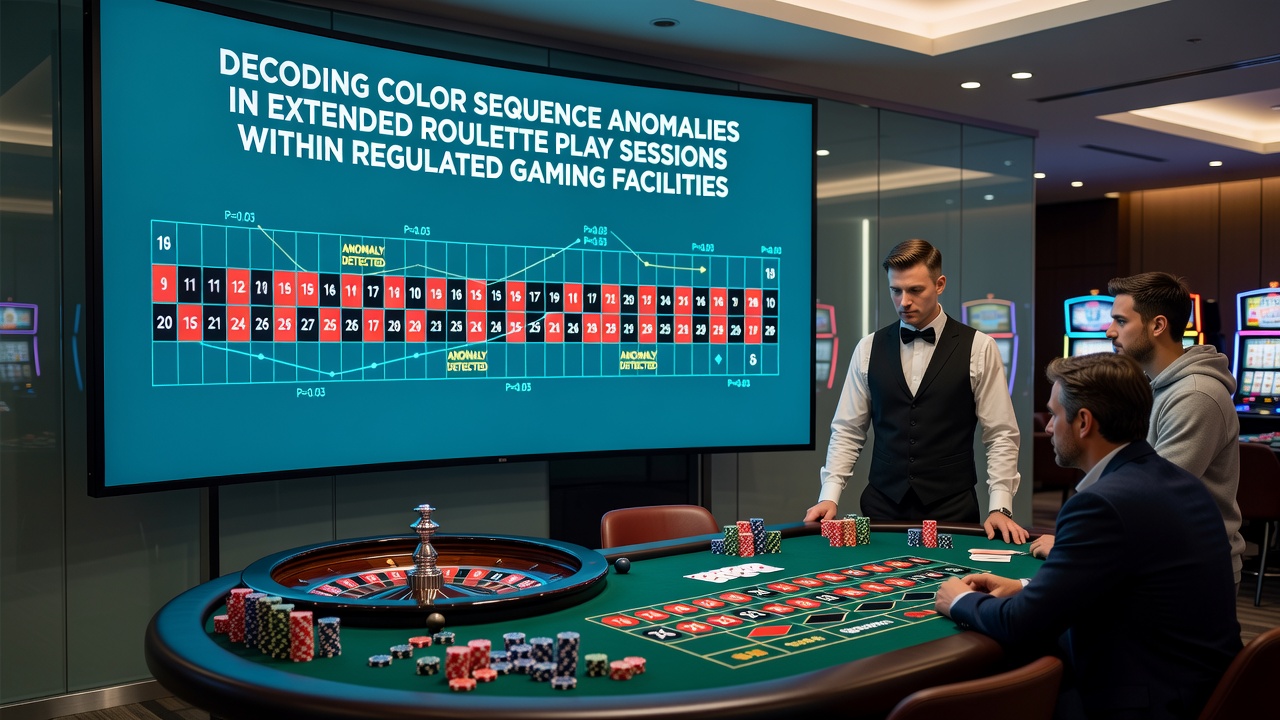
Color sequence anomalies in roulette refer to extended runs of red or black outcomes that stand out during prolonged play periods in regulated facilities, and these patterns draw attention from both players and oversight teams because they challenge intuitive expectations about randomness. Each spin remains independent under standard wheel mechanics, with 18 red pockets, 18 black pockets, and one or two green zeros depending on the variant, yet sequences can cluster in ways that appear non-random over hundreds of spins.
Statistical Foundations of Color Outcomes
Researchers at institutions such as the University of Nevada, Reno have documented how binomial probability models predict the distribution of color runs in roulette, showing that streaks of eight or more identical colors occur naturally in sessions exceeding 500 spins even though the per-spin probability stays fixed at roughly 48.65 percent for red or black on a double-zero wheel. Data from controlled simulations indicate that the expected frequency of such streaks aligns with mathematical forecasts, and deviations rarely exceed three standard deviations in properly maintained equipment.
Observers note that players often track sequences on scorecards or digital apps, recording patterns like alternating colors interrupted by sudden clusters, while regulatory logs from facilities in Nevada and New Jersey reveal that these notations rarely correlate with mechanical faults once wheel integrity checks confirm balanced weighting and friction levels.
Regulatory Monitoring Protocols Across Jurisdictions
Facilities operating under the Nevada Gaming Control Board submit quarterly reports that include sequence analysis from surveillance feeds, allowing auditors to compare observed color distributions against theoretical benchmarks derived from millions of historical spins. Similar requirements exist in Australian states where state gaming authorities mandate random number generator audits for electronic variants, ensuring that any apparent anomaly triggers a full wheel calibration review within 24 hours of detection.
Canadian provincial regulators in Ontario apply comparable standards through the Alcohol and Gaming Commission, cross-referencing live table data with independent laboratory certifications that test for bias over sample sizes of at least 10,000 spins. These layered checks reduce the likelihood that manufacturing tolerances or wear patterns produce sustained color imbalances.
Player Detection Methods and Facility Responses
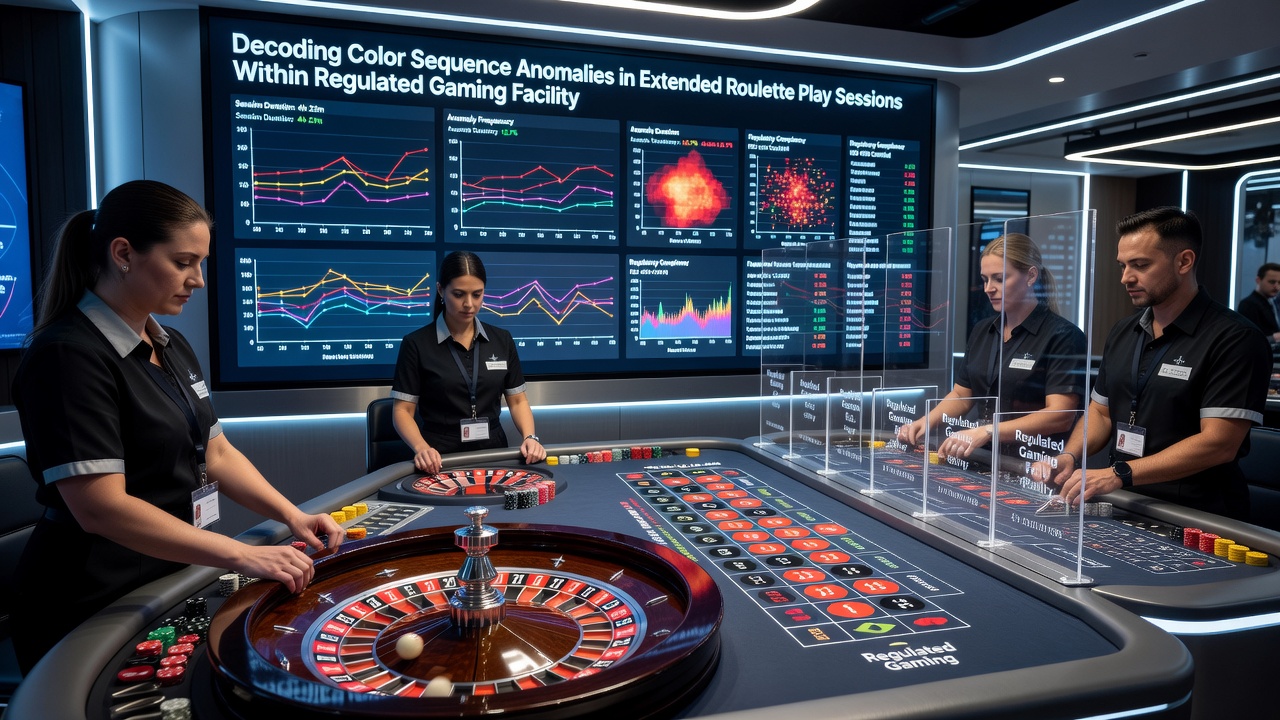
Surveillance teams employ software that flags sequences exceeding predefined thresholds, such as 12 consecutive reds, and route alerts to floor supervisors who initiate immediate visual inspections of the wheel head and ball track. When anomalies persist, staff replace the wheel assembly and forward the unit to certified labs for forensic examination that measures pocket depth, rotor balance, and ball bounce characteristics.
One documented process at a major Macau property involved cross-verification with adjacent tables sharing the same ball lot, confirming that simultaneous streaks at separate wheels remained statistically independent rather than indicative of shared environmental interference. Such comparisons help distinguish genuine mechanical issues from normal variance that emerges during extended evening sessions when table traffic peaks.
Technological Tools for Sequence Analysis
Modern systems integrate optical character recognition on overhead cameras to log colors in real time, feeding datasets into statistical dashboards that calculate running chi-square values against expected distributions. These tools update continuously and generate automated compliance summaries that regulators review during unannounced audits scheduled throughout the calendar year, including periods around June 2026 when seasonal tourism volumes typically rise in major markets.
Academic papers published through the Journal of Gambling Studies have analyzed aggregated datasets from multiple European jurisdictions, demonstrating that color sequence anomalies cluster more frequently during high-volume hours yet still fall inside predicted confidence intervals once sample sizes reach several thousand spins. Facilities use these findings to calibrate internal alert thresholds rather than treating every extended run as a potential integrity breach.
Conclusion
Regulated gaming facilities maintain color sequence monitoring as a core component of broader wheel integrity programs, combining statistical modeling, routine mechanical testing, and cross-jurisdictional data sharing to ensure that observed anomalies reflect probabilistic reality instead of equipment defects. Ongoing refinements in sensor technology and audit frequency continue to tighten the margin between expected variance and actionable signals across global markets.