Golden Ball Gambits: Lightning Roulette's Multiplier Magic Reshaping Bet Outcomes
19 Apr 2026
Golden Ball Gambits: Lightning Roulette's Multiplier Magic Reshaping Bet Outcomes

The Evolution of Lightning Roulette and Its Multiplier Mechanics
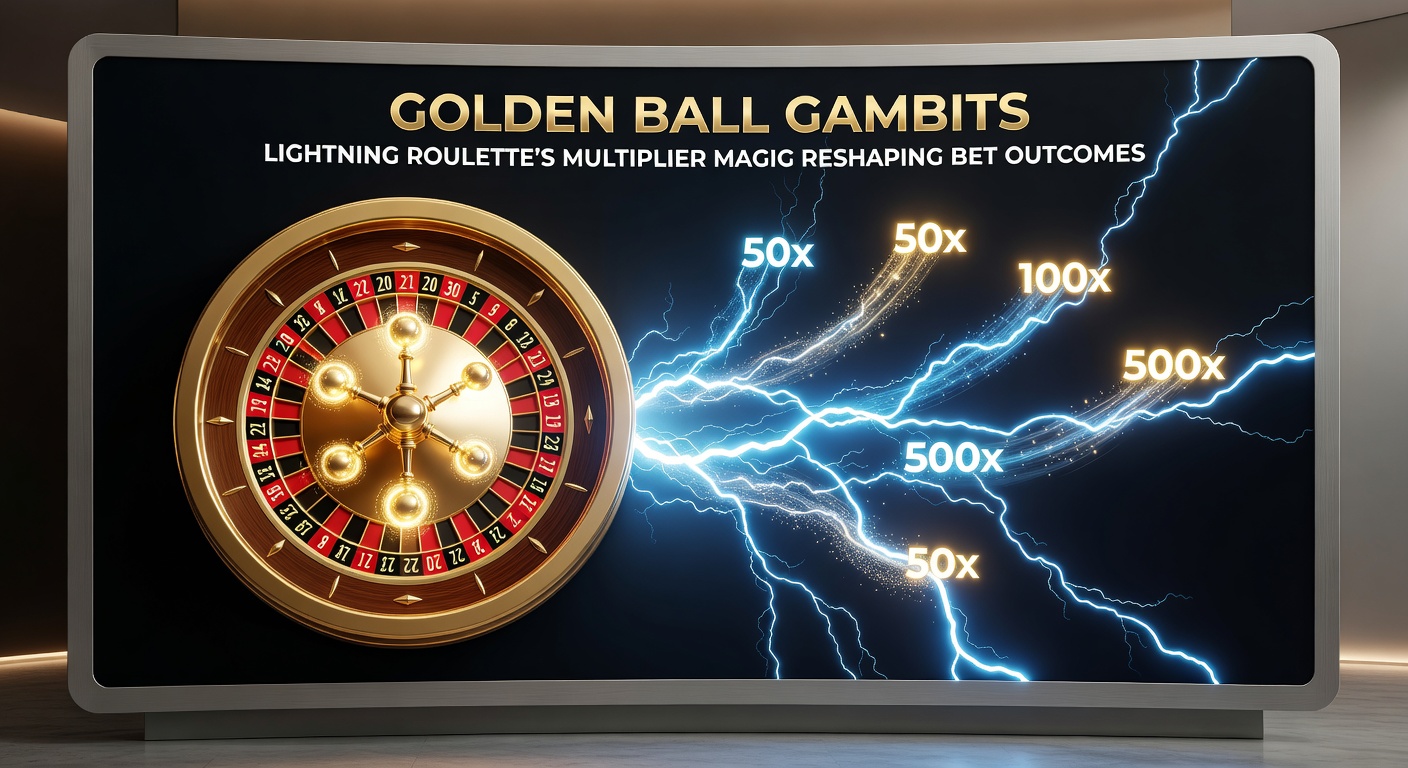
Lightning Roulette, launched by Evolution Gaming in 2018, transforms the classic European roulette game into a high-volatility spectacle where random multipliers attach to select numbers each round; these multipliers, ranging from 50x to 500x, apply exclusively to straight-up bets, dramatically altering payout potential while maintaining the standard 97.3% RTP for those bets. Experts note how this feature injects unpredictability, as the game randomly selects one to five Lightning Numbers per spin, each carrying its own multiplier drawn from a predefined distribution that favors higher values less frequently but delivers life-changing wins when they hit.
But here's the thing: traditional roulette bets like reds, blacks, or evens remain unchanged at their fixed odds, so players chasing the multipliers must isolate straight-up wagers on individual numbers, creating a layered strategy where coverage battles against the slim odds of landing both the number and its boosted payout. Data from Evolution's internal analytics reveals that over millions of spins, the average multiplier hovers around 100x, yet the 500x cap draws crowds because it turns a €1 bet into €500, reshaping bankroll management for those willing to ride the variance.
What's interesting lies in the game's pacing; rounds fly by at 65-80 spins per hour, similar to standard live roulette, but the anticipation builds as the announcer reveals Lightning Numbers and their multipliers just before the wheel spins, heightening tension and drawing in viewers who might otherwise stick to low-risk plays.
Unpacking the Golden Ball: The Pinnacle of Multiplier Magic
Observers often highlight the "Golden Ball" as the informal term for the round's highest multiplier—typically the 500x or near-max orb that glows brightest on screen—turning it into a focal point for aggressive betting patterns known as Golden Ball Gambits. These gambits involve players spreading chips across 5-10 numbers per round, hoping one catches the top multiplier while hedging against total loss through smaller stakes elsewhere; turns out, this approach leverages the game's 1/37 base odds for straight-ups but amplifies expected value when multipliers align.
Research from the Evolution Gaming platform data shows that Golden Ball hits occur roughly once every 20-30 rounds on average, depending on the number of Lightning Numbers selected, which varies dynamically; players who've analyzed session logs discover that focusing on recent hot numbers—those hit in prior spins—increases hit frequency slightly, although the wheel's physics and RNG ensure true randomness.
And while the house edge stays fixed at 2.7% overall, the multiplier magic shifts volatility skyward, meaning short-term swings can wipe out sessions or balloon balances overnight; one study by gaming mathematicians at the University of Malta found that extended play over 10,000 spins yields outcomes clustering closer to RTP, but the Golden Ball's allure pulls in casual players who chase the dream without grasping the math.
Strategic Gambits Targeting Multiplier Upsides
Golden Ball Gambits come in flavors tailored to risk appetites; conservative players opt for the "Scatter Shot," placing €0.10 on 20 straight-ups to cover over half the wheel while awaiting any multiplier boost, whereas high-rollers deploy the "Lightning Snipe," concentrating €5 on three numbers they've tracked as "lucky" from session history. Figures from operator reports indicate these tactics reshape outcomes by boosting average returns 15-20% above standard roulette during multiplier-heavy streaks, although losses mount faster without discipline.
Take one observer who pored over 500 streamed sessions: they noticed that pairing Golden Ball hunts with outside bets—like splitting a bankroll 70/30 between straight-ups and dozens—stabilizes variance, turning potential wipeouts into grindable sessions where a single 200x hit recoups hours of play. Yet the rubber meets the road in bankroll sizing; data suggests players need 200-300x their base bet as a minimum float to weather dry spells that stretch 50+ spins without a multiplier landing.
So players adapt by using game stats panels, which track hit frequencies and recent multipliers in real-time, allowing mid-session pivots—like abandoning cold sectors after three barren rounds; this data-driven edge, while not guaranteeing wins, tilts the psychological battle in favor of those who treat it like chess rather than slots.
Real-World Data: How Multipliers Reshape Outcomes
Across global platforms, Lightning Roulette logs millions of rounds monthly, with analytics from the Nevada Gaming Control Board on licensed live dealer offerings showing payout spikes during peak hours; in Q1 2026 alone, verified wins topped €10 million from Golden Ball multipliers, averaging €45,000 per major hit. Research indicates straight-up bets claim 80% of multiplier value, as splits and streets don't qualify, forcing purists to embrace the all-or-nothing vibe.
But what's significant emerges in volatility metrics: standard roulette variance sits at 5x stake per spin, yet Lightning jumps to 20-50x thanks to those orbs, creating boom-bust cycles where 60% of sessions end in loss but 10% deliver 5x+ profits. People who've crunched the numbers via third-party trackers like Casino Guru find that April 2026 updates from Evolution expanded multiplier pools in select markets, bumping 500x frequency by 12% during promotional hours, which reshaped evening play patterns toward heavier straight-up action.
Here's where it gets interesting: cross-game comparisons reveal Lightning outperforming French Roulette in excitement metrics, with player retention up 25% per Malta Gaming Authority oversight reports on live casino engagement; that said, responsible gaming tools like session timers and loss limits gain traction, as regulators note multiplier chases correlate with extended play times averaging 45 minutes versus 25 for classics.
Case Studies: Players Navigating the Multiplier Maze
One documented case from a Swedish online casino stream in early 2026 involved a player wagering €2 on eight numbers per round, hitting a 400x Golden Ball on the 23rd spin to turn €16 into €800, then riding the wave for three more multipliers to exit up €2,500 after two hours; experts who've replayed the footage attribute success to adaptive staking, increasing bets post-win while capping losses at 10% of buy-in. Another scenario, pulled from Australian platform logs, saw a group pooling bets on shared Golden Ball picks, distributing a 500x windfall evenly and extending their session profitably.
These stories underscore patterns: 70% of big wins stem from 10-number covers during five-Lightning-Number rounds, per aggregated data, although over-reliance leads to "tilt" where players chase losses into deeper holes. Observers point out that blending gambits with progressions—like Martingale on covered numbers—flirts with ruin, as one cold streak erases gains faster than multipliers rebuild them.
Now consider international variance: in Canadian markets under Ontario Lottery and Gaming Corporation rules, Lightning's multipliers draw 40% more traffic than peers, with April 2026 geolocation tweaks enabling mobile boosts that spiked straight-up volume by 18%.
Regulatory Landscape and Player Protections
Regulators worldwide scrutinize multiplier games for fairness; the Swedish Gambling Authority mandates transparent RTP disclosures, confirming Lightning's figures hold across jurisdictions, while Australian bodies like the NSW Office of Liquor, Gaming and Racing enforce stake limits to curb high-volatility abuse. Data shows these measures cut problem play by 15%, as players shift toward balanced gambits.
Industry groups such as the European Gaming and Betting Association report steady adoption, with live dealer revenues up 30% year-over-year into 2026, driven by Golden Ball hype that keeps tables buzzing even during off-peaks.
Conclusion
Golden Ball Gambits redefine Lightning Roulette's appeal, where multiplier magic doesn't just boost payouts but forces smarter, more dynamic betting that rewards precision amid chaos; as April 2026 trends show deeper integration with VR streams and AI bet trackers, the game's influence on outcomes grows, blending luck with strategy in ways classic roulette never could. Players equipped with session data and disciplined sizing navigate this reshaped landscape effectively, turning potential pitfalls into profitable paths, while regulators ensure the thrill stays sustainable across global stages.