27 May 2026
How Casino Architects Position Roulette Wheels to Influence Nearby Slot Player Traffic Patterns
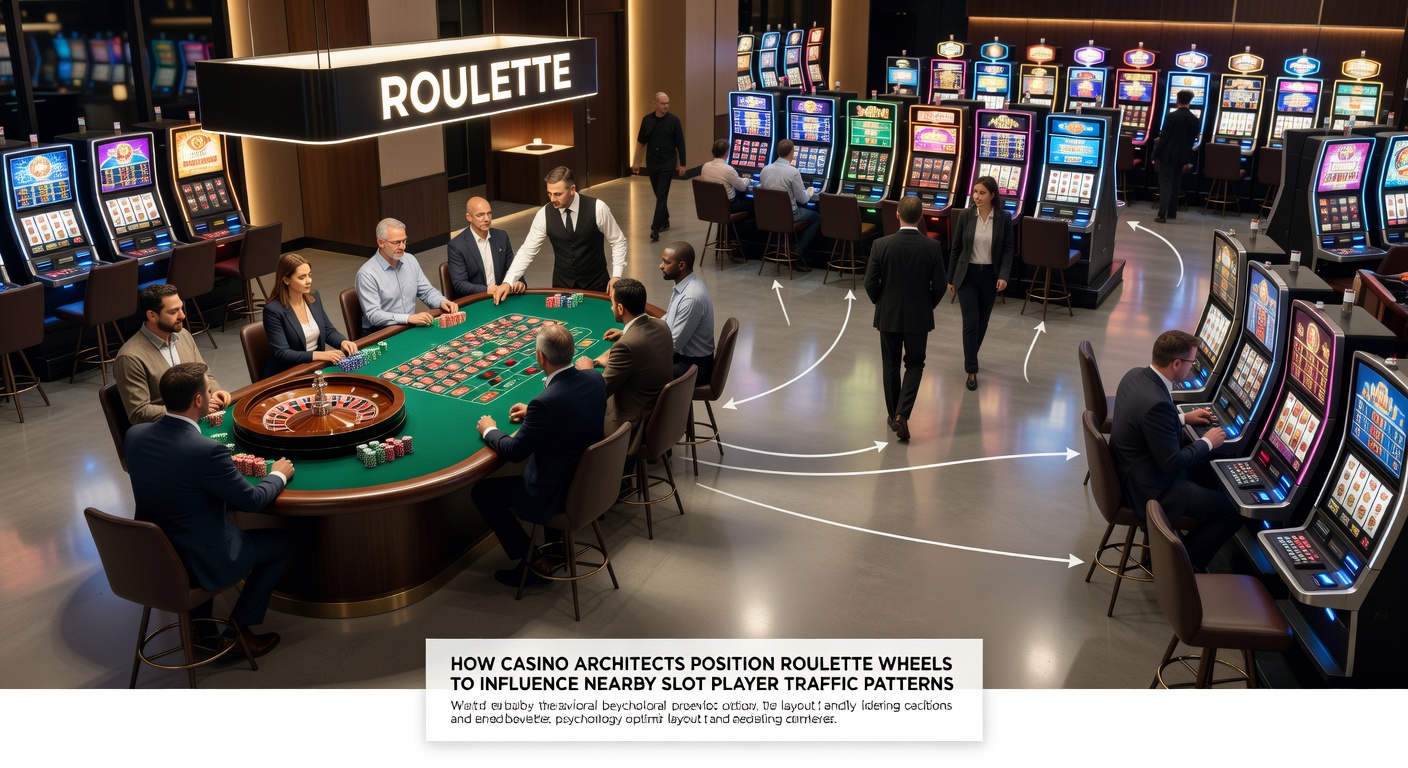
Casino architects approach floor planning as a precise exercise in movement control where every element serves multiple purposes, and roulette wheels often function as deliberate anchors that shape how slot players navigate the space. These table games sit at intersections or along pathways that encourage foot traffic to flow past banks of slot machines, creating natural corridors that increase visibility and dwell time in targeted zones. Observers note that such arrangements rely on established principles of environmental psychology applied to gambling venues, with data from industry reports indicating that strategic placement can direct up to 30 percent more players through high-density slot areas during peak hours.
Design teams begin by analyzing entry points and primary attractions before mapping secondary draws like roulette tables into the layout. The goal centers on creating loops and sightlines that prevent dead zones while funneling movement toward machines with higher hold percentages. Research from the American Gaming Association highlights how table games positioned at the ends of slot rows act as visual magnets, pulling visitors deeper into the gaming floor rather than allowing them to cluster near entrances or exits.
Core Layout Strategies in Modern Casino Design
Architects divide casino floors into zones that balance revenue-generating activities, and roulette wheels frequently mark transitions between low-stakes slots and premium areas. This placement creates momentum because players moving toward a live table game encounter additional machines along the route, and studies of foot traffic patterns confirm that curved pathways around roulette stations reduce straight-line exits that bypass slot banks. Data shows that when wheels sit adjacent to progressive jackpot machines, average session lengths in those clusters extend by measurable margins according to internal operator metrics shared through trade publications.
Lighting and acoustics further reinforce these routes, with softer illumination around roulette tables contrasting against brighter slot areas to encourage lingering. Yet the physical positioning remains the primary driver, as architects align tables so that queues for roulette naturally spill into slot rows without creating bottlenecks. One case from a major Las Vegas property demonstrated that shifting a single roulette wheel by twelve feet increased adjacent slot occupancy rates during evening shifts, according to operational logs reviewed by design consultants.
Traffic Flow Mechanics and Player Behavior Data
Player tracking systems reveal consistent patterns where roulette proximity correlates with higher slot engagement in surrounding aisles. Architects use heat mapping software during planning phases to simulate movement, testing multiple configurations until traffic distributes evenly across slot sections. Figures from regulatory filings in Nevada indicate that optimized layouts contribute to overall floor revenue by maintaining steady player circulation rather than allowing concentration in isolated pockets.
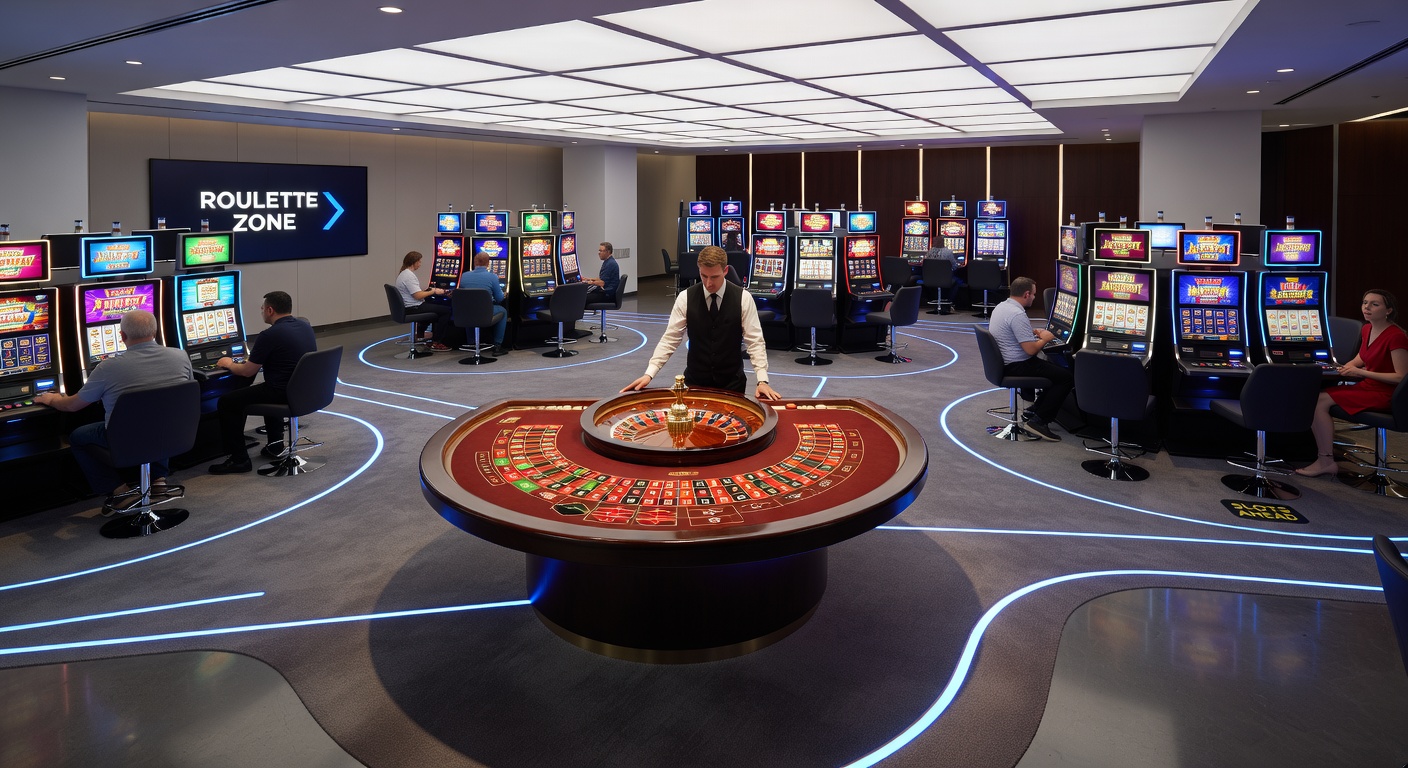
What's interesting is how these decisions scale across different property sizes, with smaller regional casinos adapting similar tactics on compact floors while large integrated resorts employ multi-level strategies that route players between roulette hubs and slot expanses. External research from the University of Nevada's gaming studies department has documented how anchor table placements influence dwell time, showing that players who pass through roulette-adjacent zones spend additional minutes engaging with nearby machines compared to direct routing options.
Integration with Regulatory and Operational Requirements
Compliance considerations also shape these placements because gaming authorities require clear sightlines for surveillance and adequate spacing between table games and electronic machines. Architects coordinate with security teams to ensure roulette positioning supports both traffic goals and monitoring needs without compromising either objective. Reports from the Australian Casino Association note that similar design standards apply in international markets, where local regulations influence exact distances and orientations yet still allow for traffic optimization within approved frameworks.
Seasonal adjustments sometimes occur when properties reconfigure floors for events, though core roulette placements tend to remain fixed due to infrastructure requirements like pit boss stations and chip storage. Observers note that temporary traffic studies conducted during these periods often validate the original architectural choices by confirming sustained player flow patterns.
Conclusion
Casino architects treat roulette wheel positioning as one component within broader traffic engineering systems that balance player experience, revenue targets, and regulatory compliance. Evidence from operational data and design analyses demonstrates measurable effects on slot player movement when tables serve as directional anchors, and ongoing refinements continue as properties incorporate new tracking technologies. These practices reflect established approaches to floor optimization that have evolved alongside the gaming industry itself.