24 Jul 2026
Interconnected Reward Systems Linking Digital Slot Reels and Wheel-Based Table Games in Unified Casino Apps
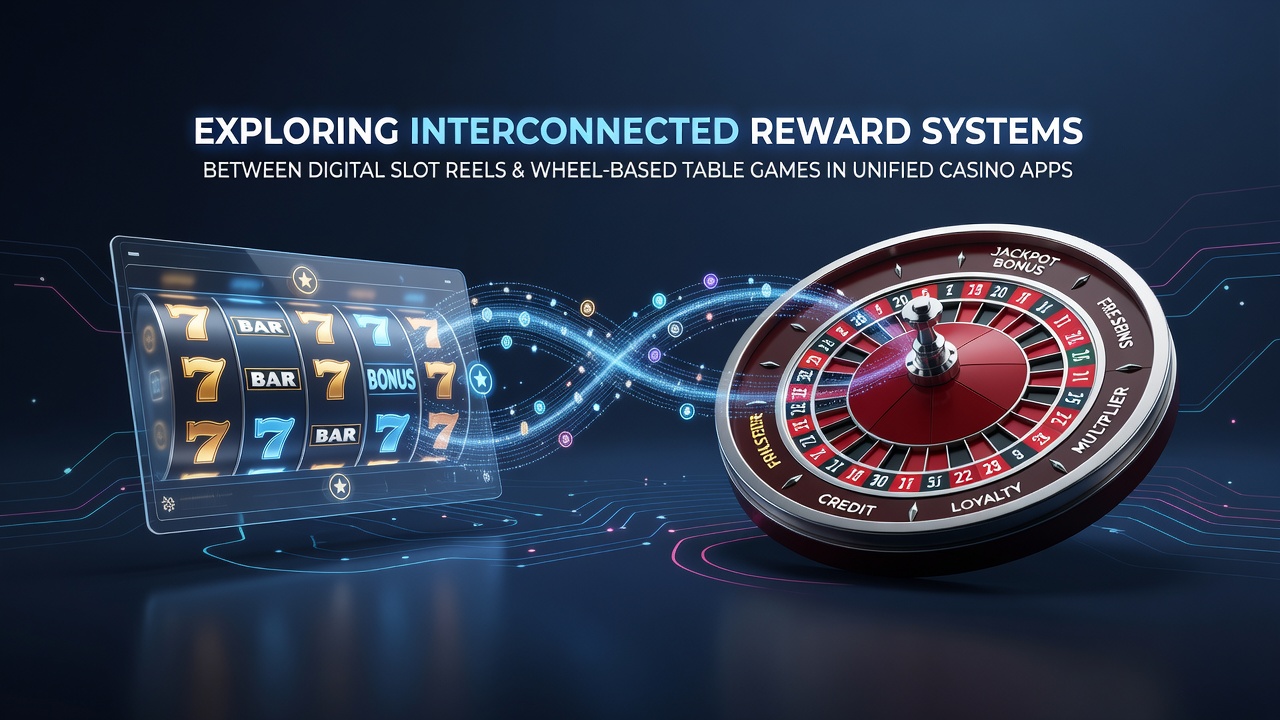
Unified casino applications now integrate digital slot reels with wheel-based table games through shared reward architectures that track player activity across formats and convert outcomes into transferable credits or multipliers, and data from industry monitoring groups indicates these systems expanded notably between 2024 and 2026 as operators consolidated mobile platforms. Players accumulate points from reel spins that convert directly into wheel game entries while wheel outcomes feed back into slot bonus pools, creating closed-loop economies within single applications. Regulatory filings in multiple jurisdictions show that such integrations rely on centralized player accounts where session data from both game types updates a common ledger in real time.
Mechanics of Cross-Format Point Conversion
Developers program algorithms that assign point values to reel symbols and wheel segments according to volatility tables, so a high-payout slot combination generates credits equivalent to a specific roulette side bet or multiplier round, and observers note that these conversion rates adjust dynamically based on aggregate play volume across the app. One documented approach uses tiered loyalty levels where reel play contributes to wheel access thresholds while wheel participation unlocks reel feature unlocks, and figures from platform operators reveal that users who engage both categories within the same session retain balances longer than those restricted to single formats. In July 2026 several major networks updated their protocols to synchronize RNG certification outputs from slots with wheel spin verifications, ensuring point integrity across game engines without separate verification steps.
Technical Infrastructure Supporting Unified Ledgers
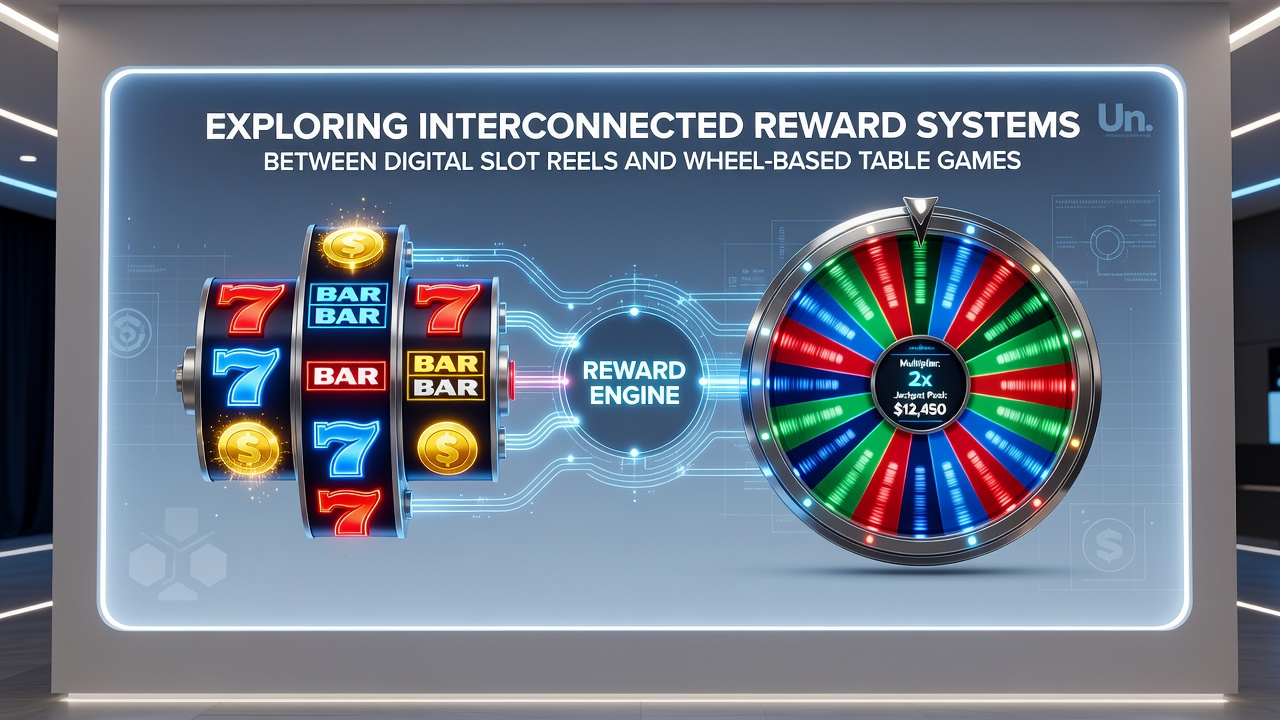
Backend databases merge transaction logs from reel engines and wheel simulators into unified profiles that apply bonus multipliers across categories, and researchers at academic gaming studies centers have documented how API bridges maintain consistency when players switch between interfaces mid-session. This infrastructure allows a slot-triggered free spin bundle to carry over as additional wheel segments or vice versa, with encryption layers protecting the shared data streams. Reports compiled by European gaming technology associations highlight that latency reductions in these unified systems reached under 50 milliseconds by early 2026, supporting seamless transitions that keep reward calculations accurate during rapid format changes.
Regulatory Oversight of Shared Reward Pools
Authorities in North American and Australian markets require operators to submit separate audit trails for slot and wheel components even when rewards merge into common accounts, and compliance documentation shows that independent testing labs verify the fairness of conversion formulas before deployment. In practice this means point-earning rates on reels must align with wheel probability models to prevent disproportionate accumulation, while player migration data submitted to oversight bodies tracks how bonus redemptions distribute between formats. One regulatory framework in a Canadian province mandates quarterly disclosures of cross-format reward flows, revealing patterns where reel-heavy users increasingly sample wheel games once accumulated points reach preset thresholds.
Player Behavior Patterns Across Integrated Systems
Analytics platforms record session lengths and format switches within unified apps, demonstrating that interconnected rewards correlate with higher engagement across both reels and wheels compared to isolated game libraries. Data sets from 2025 and 2026 indicate that players who receive hybrid bonuses complete more total spins or wheel turns per visit, and studies conducted by university-affiliated research teams found measurable increases in account longevity when reward credits flow bidirectionally. Case examples from platform operators illustrate how introductory access periods that seed shared points lead to sustained activity spanning multiple game types rather than concentration in one category.
Future Integration Trends Observed in 2026
Developers continue refining algorithms that adjust reward linkages based on real-time network activity, allowing operators to balance slot and wheel participation through dynamic point values, and industry reports project further consolidation of these systems as more jurisdictions authorize unified mobile licenses. Technical updates scheduled for late 2026 focus on expanding multiplier carry-over options that let reel wins influence wheel segment probabilities within defined parameters, maintaining regulatory compliance while preserving game independence. Observers tracking these developments note that cross-border data agreements facilitate consistent reward verification when players access the same unified app from different regions.
Conclusion
Interconnected reward systems in unified casino applications create measurable linkages between digital slot reels and wheel-based table games through shared ledgers, conversion protocols, and regulatory-compliant tracking mechanisms. Evidence from operator filings, academic analyses, and technology association reports shows steady adoption of these architectures through mid-2026, with point flows and bonus structures designed to support activity across both formats without compromising individual game integrity. Continued refinement of the underlying infrastructure supports ongoing evolution of these integrated environments in regulated markets.