10 Jul 2026
Loyalty Tiers Shape Player Experiments With Automated and Streamed Table Games in Licensed Markets
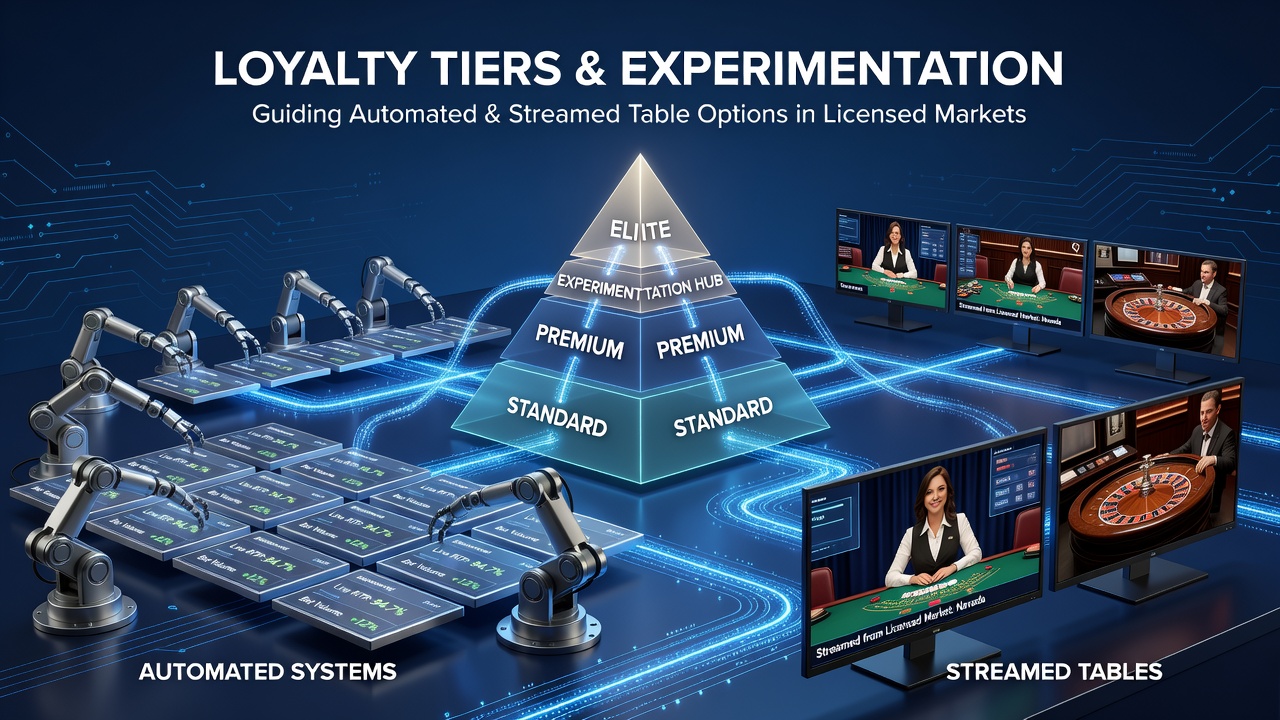
Loyalty programs in licensed gaming markets assign players to tiers based on activity levels, and these tiers frequently unlock trial access to both automated table options and streamed dealer formats, allowing operators to track how different segments test new game types without direct cash commitments. Operators in states like New Jersey and Pennsylvania have integrated tier-based incentives into their platforms since the expansion of online table games, creating structured pathways where bronze-level players receive basic access while gold and platinum members gain extended play credits or reduced wagering requirements across both automated RNG tables and live dealer streams.
Data from the New Jersey Division of Gaming Enforcement shows that tiered reward structures correlate with increased session variety, as players move between formats when loyalty points accumulate faster through combined play. Automated tables deliver consistent round times and lower minimum bets that appeal to entry-level tiers, whereas streamed tables offer social elements that higher-tier players often explore once introductory credits become available through their status upgrades.
Tier Mechanics and Format Experimentation Patterns
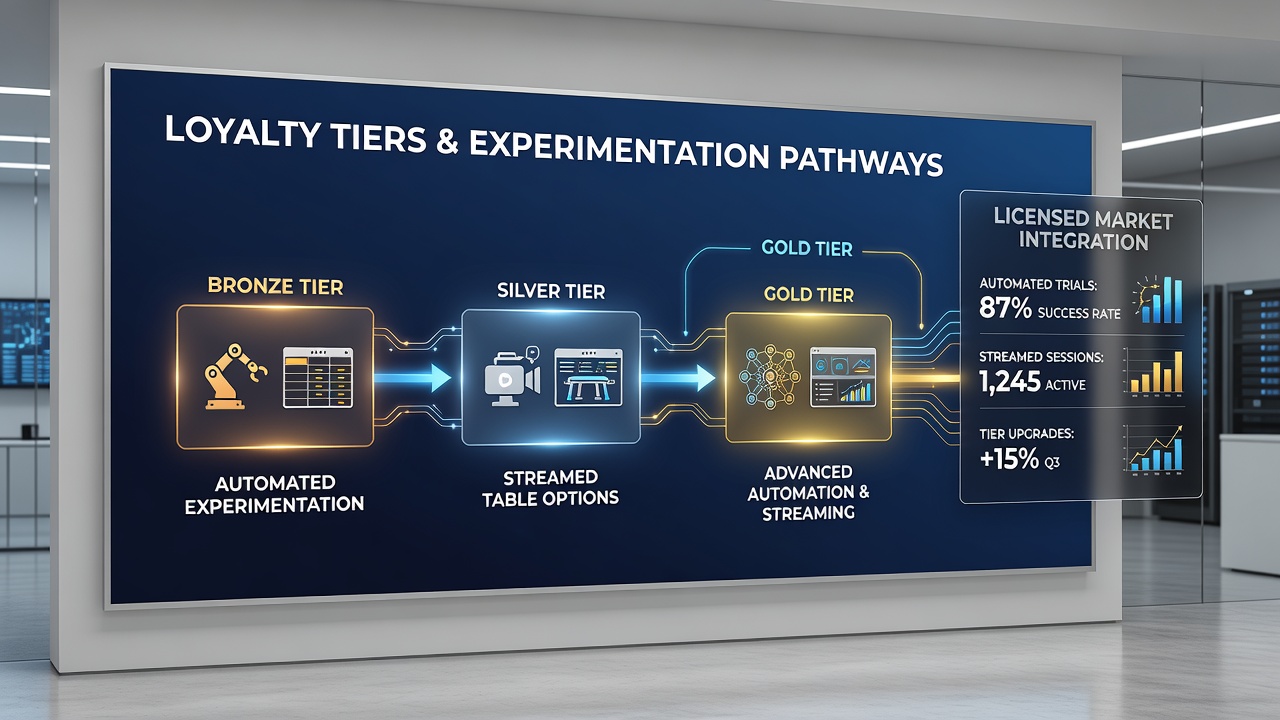
Operators structure loyalty tiers around tracked metrics such as total handle, frequency of play, and game-type diversity, then tie these levels to experimentation prompts that appear in player accounts as personalized offers. Bronze members typically receive entry-level trials limited to automated blackjack or roulette variants with shorter durations, while silver and gold tiers unlock longer access windows to streamed tables that include chat features and multiplier side bets.
Studies from the University of Nevada's gaming research division indicate that players who advance through tiers within six months demonstrate higher rates of format switching, often beginning with automated options for practice sessions before shifting to streamed environments once loyalty bonuses activate. These patterns hold across multiple jurisdictions because the underlying reward algorithms prioritize retention through gradual exposure rather than immediate high-stakes commitments.
Regulatory Frameworks Supporting Tier-Driven Access
Licensed markets enforce strict separation between promotional credits and real-money play, requiring operators to document how loyalty tiers distribute trials across automated and streamed products. The Alcohol and Gaming Commission of Ontario publishes quarterly reports that detail compliance rates for tier-based offers, noting that platforms must maintain audit trails showing equal availability of both game formats to qualifying members. Such requirements prevent operators from steering players exclusively toward one format and ensure that experimentation remains player-driven within the tier structure.
In July 2026 several U.S. states updated their reporting templates to capture tier-specific migration data between automated and streamed tables, giving regulators clearer visibility into how loyalty incentives influence format adoption across multi-state networks. These updates built on earlier frameworks that already mandated transparent disclosure of bonus terms tied to player status levels.
Market Data on Cross-Format Movement
Figures released by the American Gaming Association reveal that platforms offering tier-gated trials report measurable increases in cross-format play, particularly when platinum members receive simultaneous credits for automated and streamed roulette sessions. Lower tiers show slower migration rates because their trial allocations remain smaller and more format-specific, yet even these segments display measurable experimentation once they accumulate enough activity to reach the next level.
One analysis of multi-state operators found that players who received loyalty prompts for both formats within the same calendar month maintained longer account activity compared with those limited to a single format, although teh study stopped short of attributing causation solely to the tier structure. Observers note that the combination of automated speed and streamed interactivity appears to satisfy different play preferences that emerge as tier status rises.
Implementation Across Jurisdictions
Operators in Pennsylvania and Michigan have aligned their loyalty platforms with state-specific rules that cap the value of tier-based trials while still permitting format variety. Automated tables often serve as the default entry point for new tier members because they require fewer technical resources, yet streamed options become available once players meet minimum activity thresholds defined by each program. This sequencing allows operators to balance server load while giving players controlled exposure to both delivery methods.
Canadian provincial frameworks, including those administered through iGaming Ontario, require similar transparency around how loyalty tiers allocate trials, and published guidelines emphasize that players must retain choice between automated and streamed tables once their tier status qualifies them for the offers. Compliance audits in these markets routinely examine whether higher tiers receive disproportionate access to one format over the other.
Conclusion
Loyalty tiers function as structured gateways that guide player experimentation across automated and streamed table options within licensed markets by linking status levels to defined trial allocations and format access. Regulatory reporting from multiple jurisdictions documents how these systems operate under compliance standards that emphasize player choice and transparent terms. Data from industry associations and academic sources shows measurable movement between formats as players advance through tiers, with both automated consistency and streamed interactivity contributing to sustained engagement across different market segments.