3 Jun 2026
Wheel Integrity Protocols and Player Detection Efforts in Traditional Gaming Venues
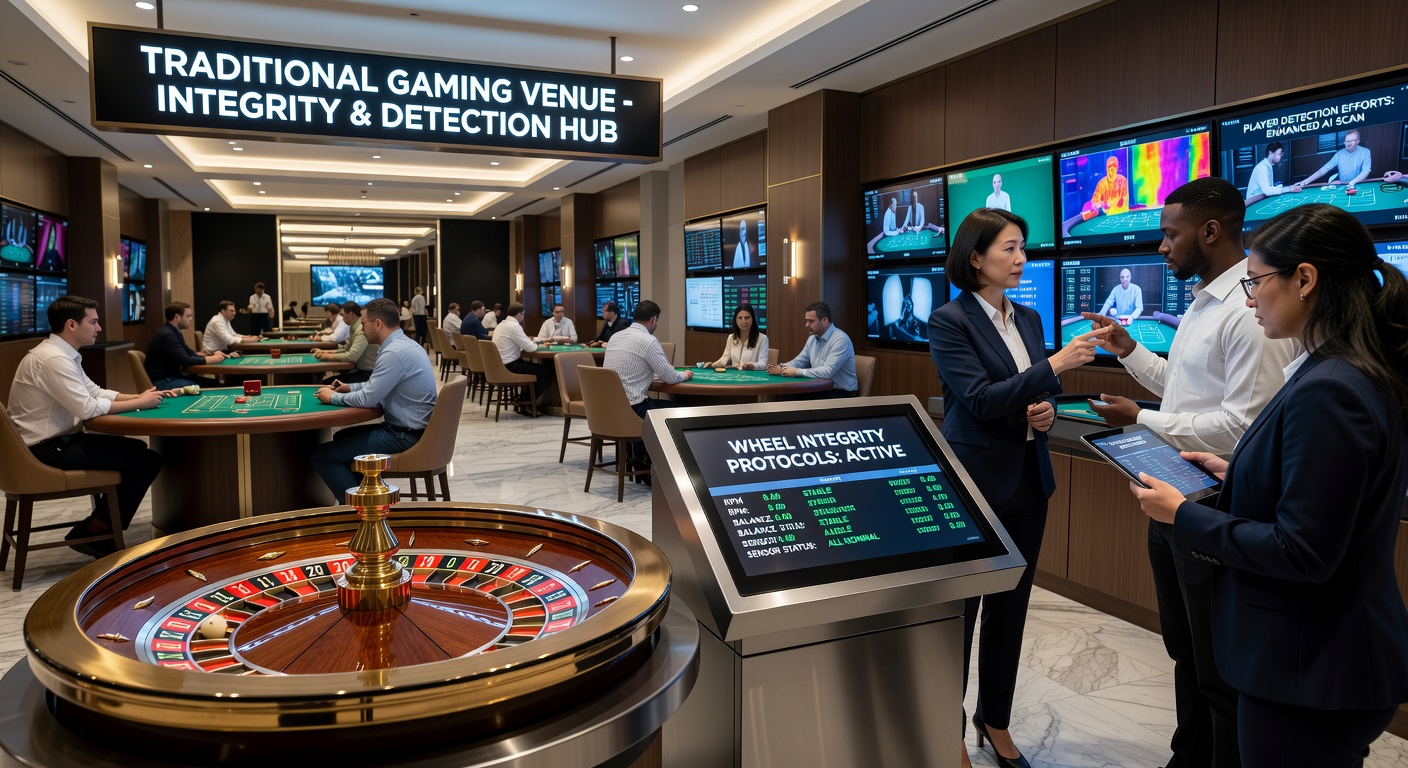
Traditional gaming venues maintain strict wheel integrity protocols to ensure roulette equipment operates within regulatory tolerances, and these measures combine physical inspections with digital monitoring systems that track every spin and outcome in real time. Observers note that casinos conduct daily balance checks using calibrated levels and laser alignment devices, while weekly tests involve spinning the wheel thousands of times to detect any deviation in pocket distribution or rotor speed that could indicate wear or tampering.
Data from regulatory filings shows that wheel bias detection relies on statistical analysis of thousands of spins, where patterns exceeding random distribution thresholds trigger maintenance alerts and equipment replacement. Technicians replace bearings, frets, and rotors according to manufacturer schedules, and independent auditors verify compliance during unannounced visits that occur multiple times each quarter.
Maintenance Schedules and Equipment Standards
Casinos document every adjustment to wheel components in logs that regulators review, and these records include torque measurements on rotor assemblies along with friction coefficients for the ball track. Manufacturers supply certified replacement parts that meet specifications set by bodies such as the Nevada Gaming Control Board, which requires venues to submit deviation reports whenever measured outcomes stray beyond established variance limits.
Venues in multiple jurisdictions coordinate with third-party laboratories to certify wheels before installation, and this process involves X-ray imaging of internal structures to confirm no hidden modifications exist. Staff members receive training on recognizing subtle signs of interference, including unusual ball bounce patterns or rotor wobble that automated sensors might initially miss.
Surveillance Integration and Behavioral Tracking
Player detection efforts integrate floor surveillance with software that flags unusual betting sequences across multiple tables and sessions. Systems record wager amounts, timing between bets, and player movement patterns, then compare these against historical data to identify potential advantage play or collusion attempts. Security teams receive alerts when individuals exhibit consistent betting that correlates with wheel section outcomes over extended periods.

Venues employ facial recognition technology linked to centralized databases that track known players across properties, and this allows rapid identification of individuals previously excluded for rule violations. Staff cross-reference live feeds with transaction histories to spot coordinated groups attempting to exploit perceived wheel weaknesses through staggered betting positions.
Regulatory Updates and June 2026 Developments
June 2026 marks the implementation date for updated integrity standards issued by the Alcohol and Gaming Commission of Ontario, which now mandate real-time data transmission from every roulette wheel to a central oversight portal. These requirements build on existing protocols by requiring venues to install additional sensors that measure ball velocity and rotor deceleration at millisecond intervals.
Research from academic partnerships with gaming technology institutes indicates that combined mechanical and digital monitoring reduces undetected bias incidents by measurable margins across sampled properties. Venues report that enhanced player tracking has led to earlier intervention in cases where individuals accumulate statistical edges through prolonged observation and selective wagering.
Case Examples from Operational Records
One documented incident involved a group whose betting patterns aligned with specific wheel sections across three separate sessions, prompting investigators to examine the equipment and discover minor track imperfections that were corrected before further play. Another case revealed coordinated timing signals between players that surveillance software flagged through synchronized bet placements and rapid table changes.
Industry reports compiled by associations such as the Canadian Gaming Association highlight how venues share anonymized detection data to refine algorithms, and this collaboration improves identification rates without compromising individual privacy standards set by regional laws. Staff training programs now incorporate scenario-based exercises that simulate both mechanical failures and sophisticated player strategies.
Conclusion
Wheel integrity protocols and player detection systems continue to evolve through layered mechanical checks, statistical oversight, and integrated surveillance technologies that operate across traditional gaming venues. Regulatory bodies enforce compliance through scheduled audits and real-time reporting mandates, while venues adapt their procedures to address emerging patterns in equipment performance and player behavior. These combined efforts maintain operational standards that support fair play across jurisdictions.